
How Johnson & Co. Approach Time, Design, and Performance
In contemporary watchmaking, technical merit is no longer a singular benchmark. Accuracy alone is not enough. Power reserve is not the whole story. Today’s collector evaluates watches the way they evaluate architecture, cars, or tailoring—by intent, philosophy, and how technology is deployed in service of design.
Johnson & Co. offers an opportunity to examine this spectrum closely. From industrial precision to haute horlogerie, from motorsport performance to jewellery-led craftsmanship, these brands represent distinct answers to the same question: what should a modern luxury watch prioritise?
This analysis compares key maisons across movement technology, case engineering, material science, and use-case philosophy, rather than price or popularity.
OMEGA
Industrial Precision, Elevated to Cultural Icon
Technical Positioning:
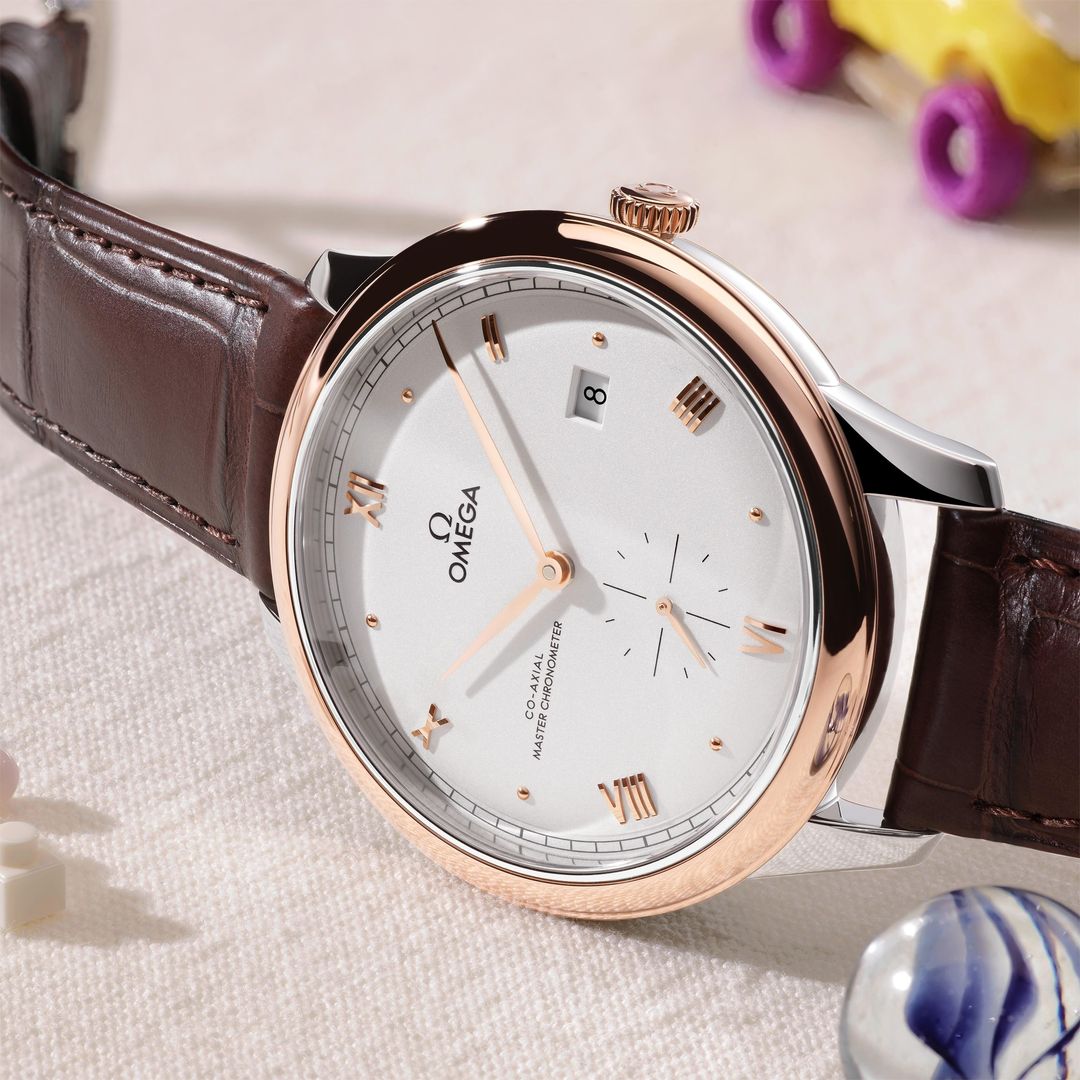
Omega operates at the intersection of mass precision and elite certification. Its defining advantage lies in its Master Chronometer ecosystem, where movements are tested not just for accuracy, but for resistance to magnetic fields up to 15,000 gauss—an increasingly relevant real-world concern.
Movement Philosophy:
- Co-Axial escapement (reduced friction, extended service intervals)
- METAS-certified chronometry
- Silicon balance springs as standard

Case & Material Science:
Omega treats cases as functional shells rather than decorative frames. Ceramic bezels, liquid metal scales, and laser-cut dials are deployed with engineering intent, not excess.
Lifestyle Context:
Omega watches are built for travel, water, motion, and daily wear at scale. They appeal to collectors who value technical reassurance and cultural legitimacy—people who want one watch to do everything, credibly.
Omega is the benchmark for industrialised high-performance watchmaking done correctly.
TAG HEUER
Motorsport Timing, Optimised for the Wrist
Technical Positioning:
TAG Heuer’s technical strength lies in chronograph architecture and high-frequency movements, historically linked to motorsport timing and measurement.
Movement Philosophy:
- Column-wheel chronographs in higher-tier Carreras
- In-house Heuer 02 family with extended power reserves
- High legibility, performance-first layouts

Case & Ergonomics:
TAG Heuer cases are designed for dynamic wear. Short lugs, balanced proportions, and strong visual symmetry make them exceptionally wearable, especially in chronograph form.
Lifestyle Context:
TAG Heuer watches belong to racetracks, paddocks, airports, and boardrooms that value speed and decisiveness. They are less about contemplation, more about momentum.
TAG Heuer excels at chronograph clarity and functional sport design, with a clear performance-first identity.
CHOPARD
Haute Finishing Disguised as Sport and Elegance
Technical Positioning:
Chopard is often underestimated technically—and that is its greatest strength. Behind its elegant design language lies one of the most serious in-house movement programs in Switzerland: L.U.C.
Movement Philosophy:
- COSC-certified in-house calibres
- Micro-rotors, twin barrels, and hand-finishing standards aligned with haute horlogerie
- Strong emphasis on power reserve stability

Case & Finishing:
Even in sport collections like Mille Miglia, Chopard prioritises proportion, tactile finishing, and mechanical refinement over visual aggression.
Lifestyle Context:
Chopard watches appeal to collectors who value discretion and refinement—people who recognise finishing quality without needing it announced.
Chopard delivers quietly serious watchmaking, hiding complex mechanics behind elegant restraint.
BREGUET
Architectural Watchmaking, Rooted in Invention
Technical Positioning:
Breguet is not competing on modern performance metrics. It operates on an entirely different axis: historical legitimacy and mechanical architecture.
Movement Philosophy:
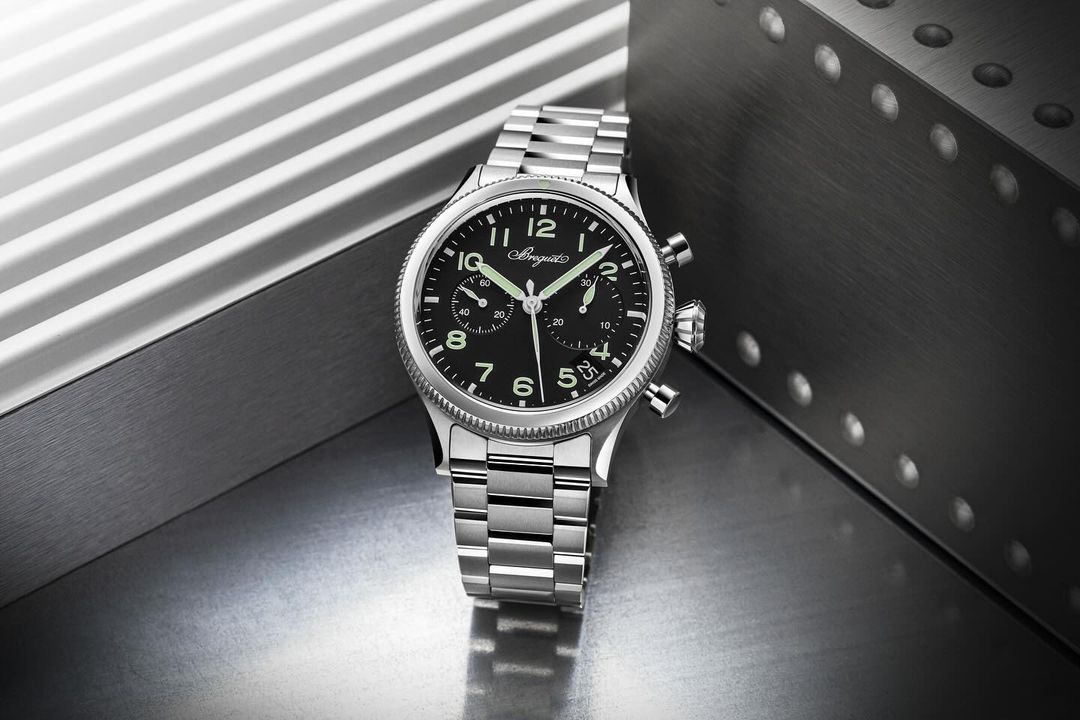
- Classical complications executed with modern reliability
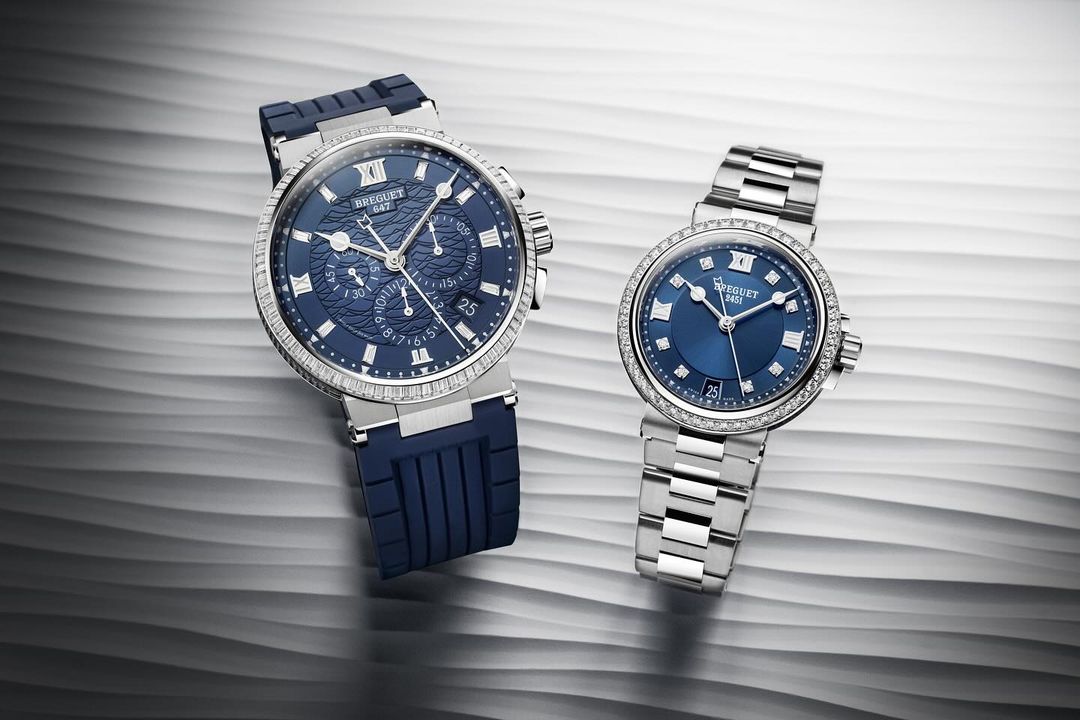
- Guilloché dials cut on traditional rose engines
- Emphasis on mechanical poetry rather than technical dominance

Case & Design Language:
Fluted casebands, welded lugs, and proprietary hand shapes are not aesthetic choices—they are brand signatures rooted in invention.
Lifestyle Context:
Breguet is chosen by collectors who view watches as cultural artifacts. These are watches worn for reflection, legacy, and intellectual appreciation rather than utility.
Breguet represents watchmaking as cultural heritage, where technique serves tradition.
RADO
Material Innovation as Core Competency
Technical Positioning:
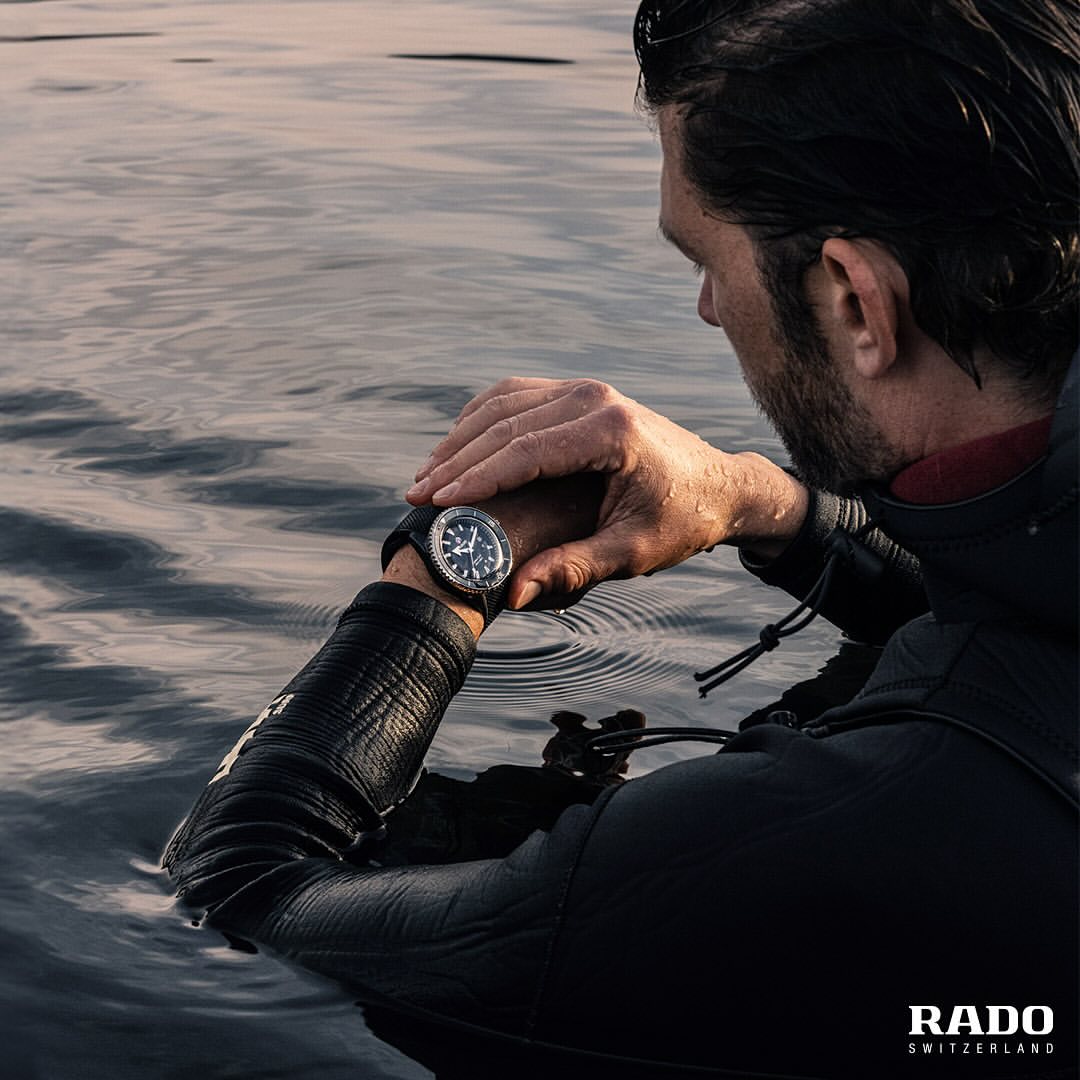
Rado’s primary contribution to modern watchmaking is material science, particularly in ceramics.
Movement Philosophy:
- Reliable Swiss automatic and quartz calibres
- Focus on durability, shock resistance, and long-term wear

Case Engineering:
High-tech ceramic cases offer scratch resistance and hypoallergenic comfort, often outperforming steel in daily longevity.
Lifestyle Context:
Rado watches are design objects first—ideal for collectors who prioritise tactile experience, minimalism, and long-term aesthetics.
Rado leads in wearability and material innovation, rather than mechanical complexity.
Final Comparative Perspective
Technical excellence manifests in radically different ways:
- Omega perfects modern industrial performance
- TAG Heuer refines chronograph utility
- Chopard elevates finishing and in-house credibility
- Breguet preserves mechanical heritage
- Rado innovates through materials
There is no single 'best' watch here—only watches that align with different definitions of excellence. And that, ultimately, is the point of modern luxury watchmaking: not to measure time better—but to express why time matters to you.