
Before you notice the movement, the dial or even the name on it, you notice the metal. It is the first thing your fingertips register: the cool weight of steel, the warm density of gold, the silken lightness of ceramic. Long before a watch tells you the time, its material tells you how it will live with you – how it will feel, how it will age, and what it will say about you across a room.
Understanding luxury watch materials is not a technical footnote; it is the heart of choosing well. Here is our guide to how materials affect a watch, and the Maisons that have turned metallurgy into an art.
Why the material matters more than you think
A case is not simply packaging for a movement. It shapes weight and comfort, durability, colour and character, and how a watch ages – whether it gathers a lived-in patina or looks exactly as it did on day one. Watchmakers measure hardness on the Vickers scale, and the numbers tell a fascinating story.
Stainless steel: the honest foundation
The everyday workhorse, refined
Stainless steel is where most great watch stories begin: robust, corrosion-resistant, and beautifully receptive to finishing – mirror polishing on a bevel, satin brushing on a flank.

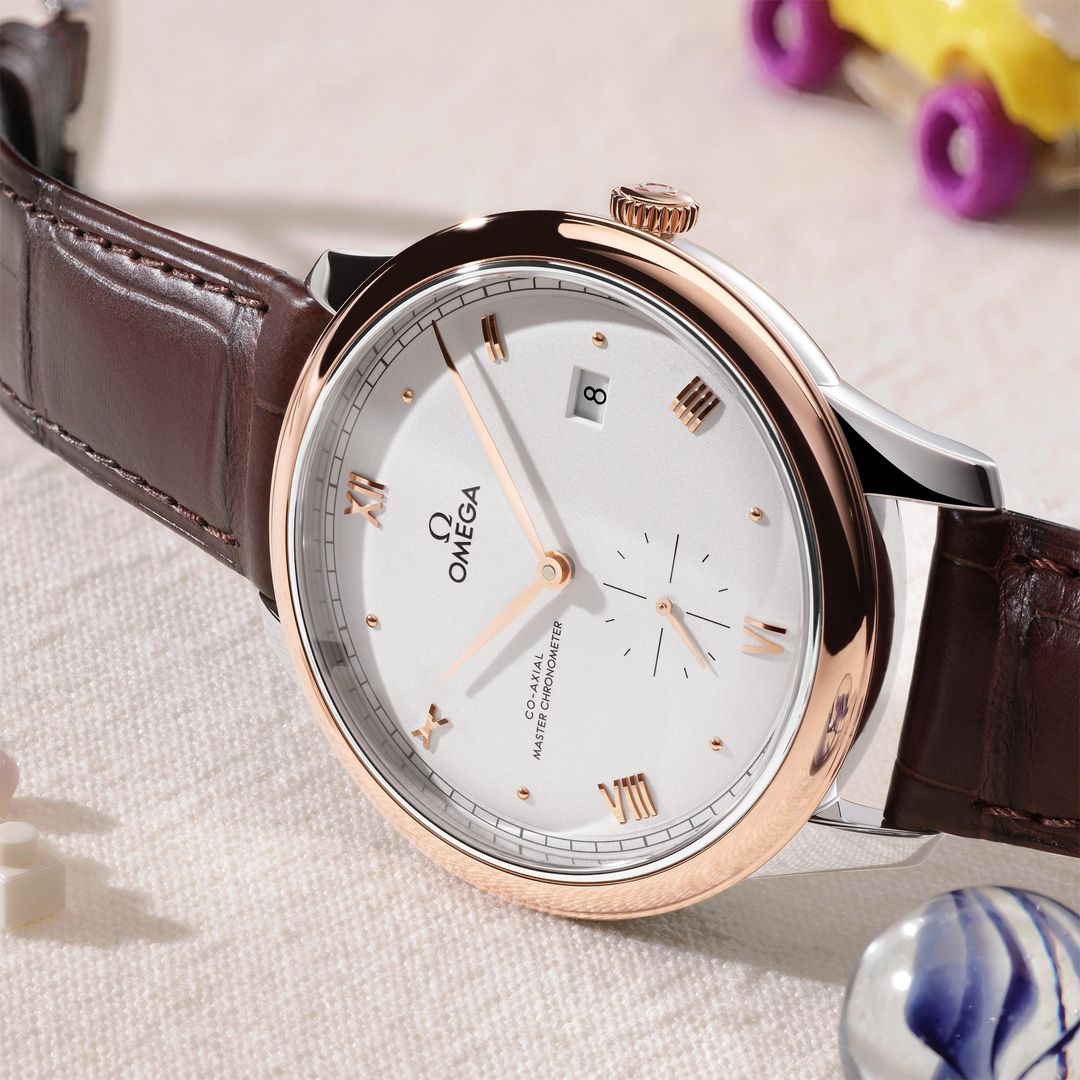
The Omega Seamaster Aqua Terra 150M is a fine example of what steel can be. Its 41 mm steel case houses the Master Chronometer Calibre 8900, certified by METAS and resistant to magnetic fields of up to 15,000 gauss, with a 60-hour power reserve and 150 metres of water resistance. It is the watch you can wear to a meeting, on a flight and to the club without a second thought.
When steel becomes something more

Some Maisons have pushed steel far beyond the ordinary. With the Alpine Eagle in 2019, Chopard introduced Lucent Steel A223 – four years in development, with a hardness of 223 Vickers against roughly 150 for conventional steel, and around 50% more resistance to abrasion. Its exceptional purity gives it a brilliance often compared to white gold. Since 2023, every Chopard steel watch is made in Lucent Steel, with at least 80% recycled content – craftsmanship and conscience in a single alloy.
Gold: warmth, weight and heritage
Why gold still feels different
No material carries the emotional weight of gold. In India we understand this instinctively – gold marks milestones and passes between generations. On the wrist, 18K gold (75% pure gold) has a density and warmth no other metal can imitate.
The classic steel vs gold watch question, then, is rarely about practicality alone. Steel is the confident everyday companion; gold is the heirloom. Gold is softer – standard 18K gold sits at around 400 Vickers – so it will take on gentle marks over the years. Many collectors consider that part of its charm.

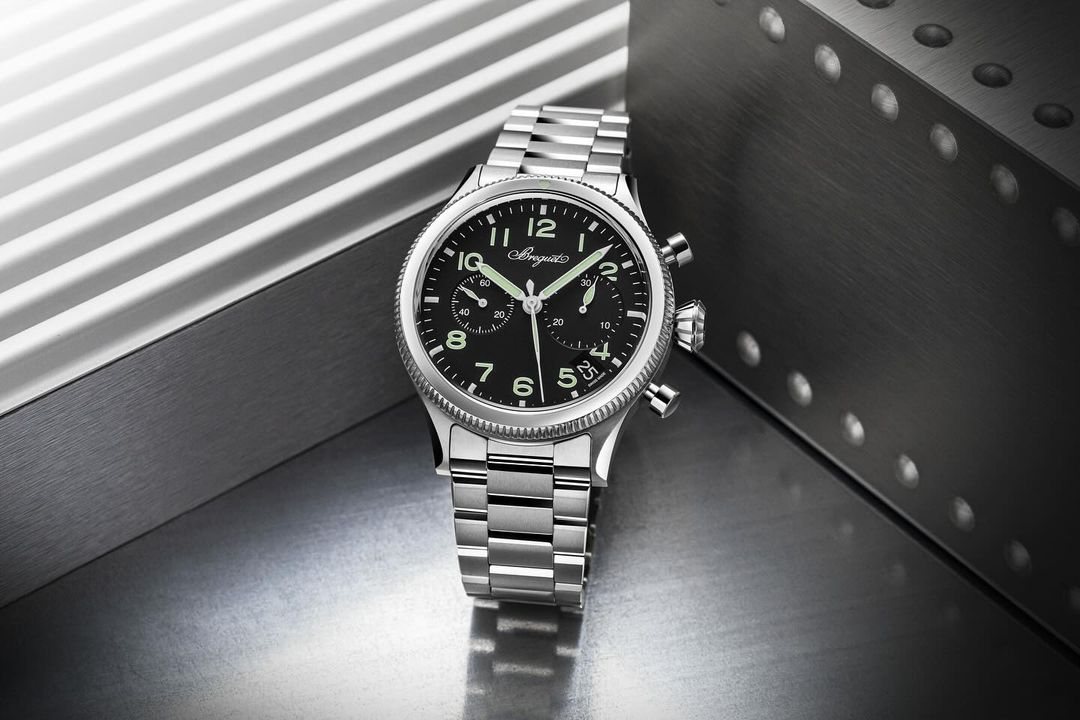
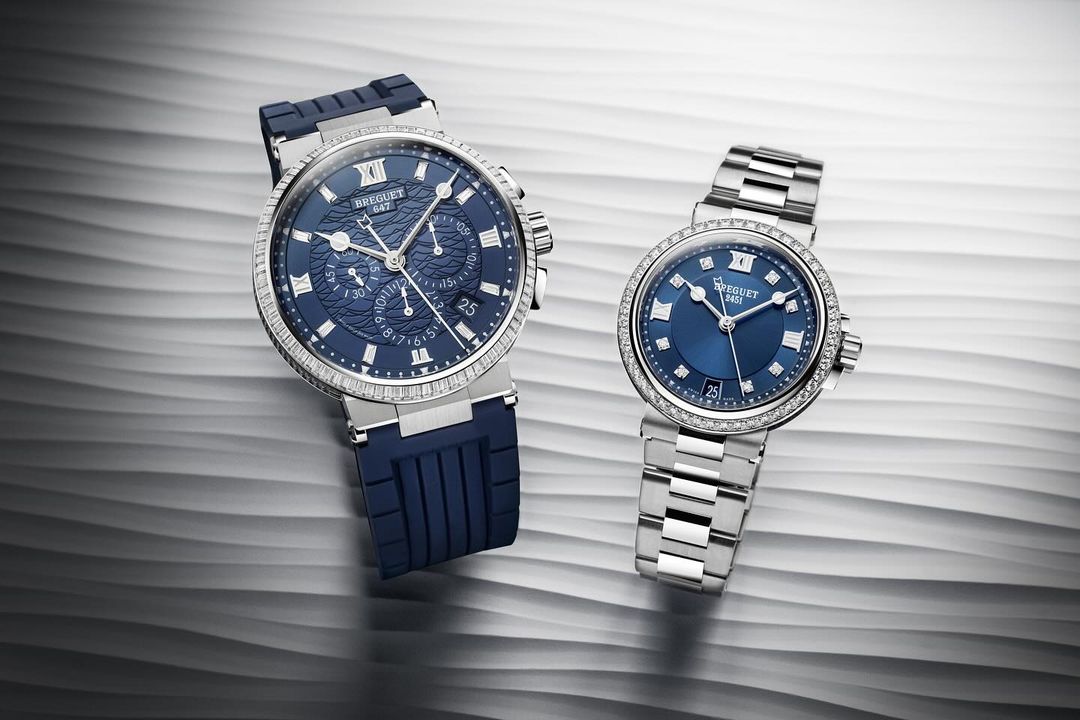
Few houses honour gold’s heritage like Breguet. Its Classique collection – hand-guilloché dials, Breguet hands and numerals, and gold cases with finely fluted case-bands – remains one of the purest expressions of classical watchmaking in the world.
Modern gold alloys that refuse to fade
Traditional rose gold relies on copper, which can soften in colour over time. Today’s great Maisons have solved this with proprietary alloys:
- Omega Sedna™ gold – an 18K rose gold alloyed with copper and palladium, debuted in 2013 on the Constellation. The palladium helps preserve its rich rosy hue for far longer than standard red gold.
- Omega Moonshine™ gold – a paler 18K yellow gold created for the 2019 Speedmaster Apollo 11 50th Anniversary, designed to resist fading in colour and lustre.
- Hublot Magic Gold – perhaps the most audacious of all. Developed with EPFL in Lausanne and unveiled in 2011, it fuses 18K gold with boron carbide, a ceramic, reaching around 1,000 Vickers. It remains certified 18-carat gold, yet only diamond can truly scratch it.

Considering a material for yourself? The difference between steel, gold and ceramic is best understood on the wrist, not on a screen. Our consultants at Johnson & Co. will happily place them side by side for you – browse our collection or drop by our Connaught Place boutique.
Ceramic: the modern marvel
What makes ceramic watches special
High-tech ceramic is not the ceramic of a teacup. It is engineered zirconium oxide, injection-moulded at high pressure and sintered at around 1,450°C, during which each piece shrinks by roughly a quarter. The result is a material of about 1,250 Vickers – far harder than steel or gold – that is lighter than steel, hypoallergenic, and holds its colour and lustre virtually forever.
Ceramic watches have one important caveat: their hardness makes them resistant to scratches, but a sharp impact against a hard surface can still chip them. Treat them with care, and they will look new for decades.
Rado: the master of materials
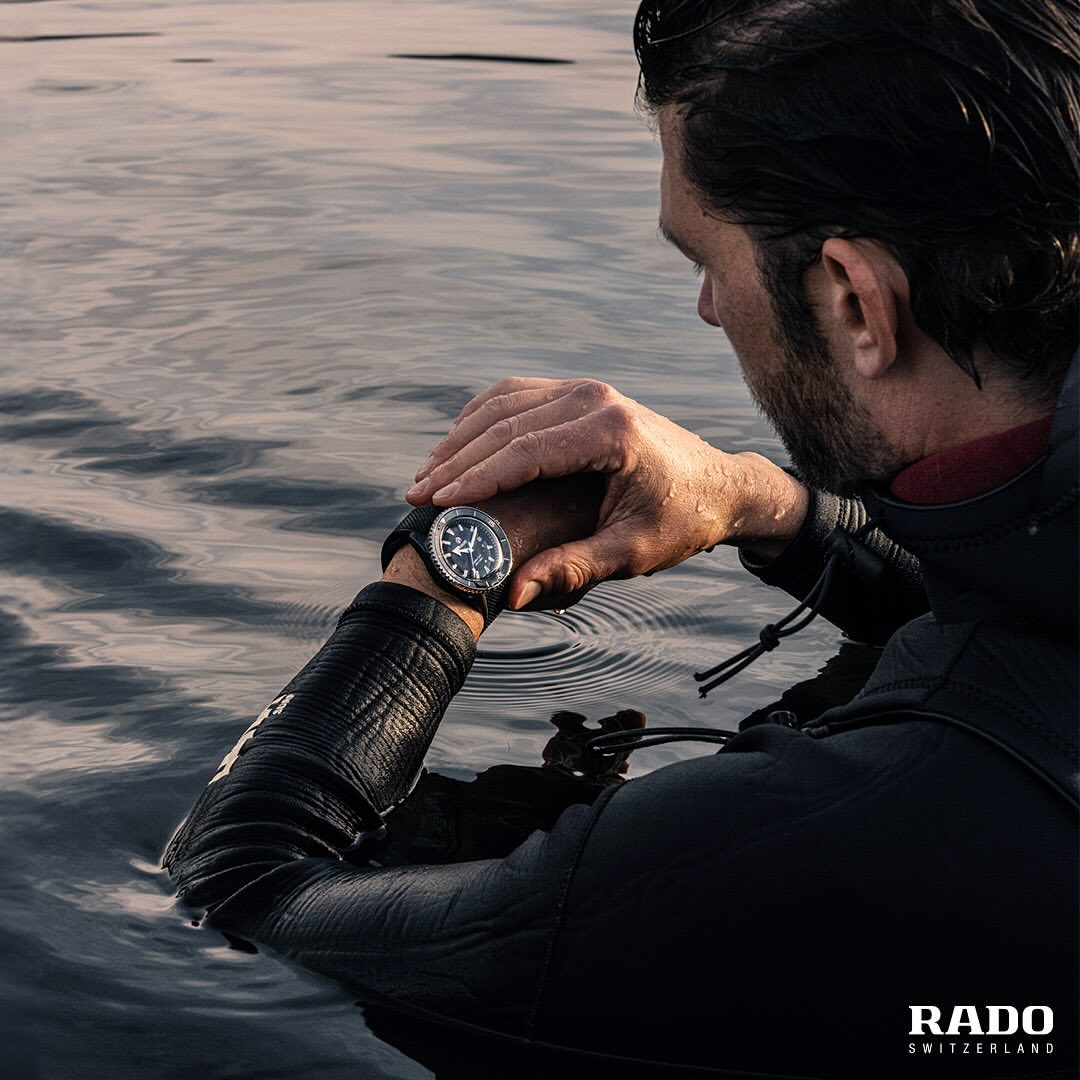
No conversation about ceramic is complete without Rado. In 1986 – exactly forty years ago this year – Rado became the first watch brand to produce high-tech ceramic watches in series, with the Integral. Rado later added Plasma high-tech ceramic, in which finished white ceramic is treated in a plasma at up to 20,000°C to give it a metallic sheen – without a trace of metal. In 2026, Rado celebrates the anniversary with a special edition of the Integral.

Ceramic goes bold
Ceramic has since found its way into some of the boldest watches of our time: Omega’s Speedmaster “Dark Side of the Moon” (2013) rendered the legendary chronograph in a 44.25 mm case of black zirconium oxide ceramic. And Hublot’s Big Bang has made ceramic part of its very identity – 2026 marks twenty years since the All Black first rewrote the rules.
Titanium: strength without weight
Why titanium luxury watches feel effortless
Titanium is for those who want a substantial watch that wears like a whisper: considerably lighter than steel, corrosion-resistant and hypoallergenic, with a warmer, greyer tone.

Titanium luxury watches have also become the canvas for remarkable engineering. The Bulgari Octo Finissimo Automatic pairs a 40 mm sandblasted titanium case and bracelet with a total thickness of just 5.15 mm. Inside, the BVL 138 calibre – only 2.23 mm thick, with a platinum micro-rotor – delivers a 60-hour power reserve. Italian design and Swiss mechanics, in featherweight harmony.
Beyond metal
Breitling’s proprietary Breitlight®, introduced on the Avenger Hurricane, is a high-tech composite that Breitling states is 3.3 times lighter than titanium and 5.8 times lighter than steel. Montblanc has explored bronze for its 1858 Geosphere, pairing a patina-forming bronze case with a titanium caseback for comfort.

Steel, gold, ceramic or titanium: how to choose
There is no single “best” material – only the right one for your life.
Choose steel if: You want one watch for every day and every setting. Choose gold if: You are marking a milestone or building an heirloom.
Choose ceramic if: You value a pristine, scratch-resistant, modern finish.
Choose titanium if: Comfort is paramount or you love a discreet, technical look.
For a deeper look at what separates true luxury from surface shine, read our Editors’ Choice piece Inside the Craft: What Makes a Watch Truly Luxury.
Feel the difference for yourself
Specifications tell you about hardness and weight. Only your wrist can tell you which material feels like you.
Experience it in person at Johnson & Co. – the heft of a Breguet in gold, the silken lightness of a Rado in ceramic, the near-weightlessness of a Bulgari in titanium, the everyday confidence of an Omega in steel. As an authorised retailer, every piece comes with its full manufacturer warranty and the guidance of consultants who have spent a lifetime among fine watches.
Visit our flagship at C-37, Connaught Place, New Delhi, call us on +91 9312264405, or write to info@johnsonandco.in. Let us help you find the material – and the watch – that will stay with you for a lifetime.